Buy fiduciaire.eu ?
We are moving the project
fiduciaire.eu .
Are you interested in purchasing the domain
fiduciaire.eu ?
domain@kv-gmbh.de · 0541-91531010
Buy fiduciaire.eu ?
What is the difference between calculated depreciation and accounting depreciation?
Calculated depreciation refers to the estimated reduction in the value of an asset over time, typically based on its useful life and salvage value. Accounting depreciation, on the other hand, is the systematic allocation of the cost of an asset to its useful life in the company's financial statements, following specific accounting rules and standards. While calculated depreciation is more of an estimation, accounting depreciation is a formal recognition of the reduction in the asset's value on the company's books. **
Why is the calculated depreciation lower than the accounting depreciation?
The calculated depreciation is often lower than the accounting depreciation because it is based on the asset's useful life and salvage value, while accounting depreciation may include additional factors such as tax regulations or management's discretion. Calculated depreciation follows a systematic method like straight-line or reducing balance, whereas accounting depreciation can be influenced by various accounting policies or methods chosen by the company. Additionally, accounting depreciation may consider impairment charges or revaluation of assets, leading to differences in the calculated and accounting depreciation figures. **

Similar search terms for Depreciation
Top-Angebote
Products related to Depreciation:
-
Flythe Consulting Jonetia Hurricane Wall Sconce Pair Satin Brass, Pair, Satin BrassThe Jonetia Satin Brass Hurricane Wall Sconce Pair proudly displays grandeur on your walls. These hand-forged, solid brass sconces feature a diamond design and fleur-de-lis motif. Sconces have a lacquered, satin brass finish that is done by hand. A...229,00 $*Shipping: 32,06 $Secure redirect to the provider


-
What is the essence of depreciation in accounting?
Depreciation in accounting is the process of allocating the cost of a tangible asset over its useful life. It reflects the decrease in value of the asset as it is used over time. The essence of depreciation is to accurately match the cost of the asset with the revenue it helps generate, and to properly reflect the wear and tear or obsolescence of the asset. This allows for a more accurate representation of the company's financial position and performance. **
-
How is the accounting depreciation of machinery carried out?
The accounting depreciation of machinery is carried out by allocating the cost of the machinery over its useful life. This is typically done using methods such as straight-line depreciation, where the cost is evenly spread out over the useful life of the machinery, or accelerated depreciation, where more depreciation is recognized in the earlier years of the machinery's life. The depreciation expense is then recorded on the income statement, reducing the machinery's book value on the balance sheet. This process allows for the recognition of the machinery's cost over time and helps to accurately reflect its diminishing value as it is used. **
-
Why are the calculated depreciation shown on the income side and the accounting depreciation on the expense side?
The calculated depreciation is shown on the income side because it represents the portion of an asset's cost that has been used up during the accounting period, which reduces the company's taxable income. On the other hand, accounting depreciation is shown on the expense side because it reflects the allocation of the asset's cost over its useful life to match the expense with the revenue generated by using the asset. This helps in accurately representing the true financial position of the company by spreading the cost of the asset over its useful life. **
-
Can someone complete depreciation tasks in accounting under time pressure?
Yes, someone can complete depreciation tasks in accounting under time pressure, but it may lead to errors or oversights if not done carefully. Depreciation calculations require attention to detail and accuracy to ensure the financial statements are correct. It is important for individuals to manage their time effectively, stay focused, and double-check their work to avoid mistakes when completing depreciation tasks under time pressure. **
How is cashback booked in accounting in relation to depreciation?
Cashback is typically treated as a reduction in the cost of the asset, and it is deducted from the original purchase price. This reduces the carrying amount of the asset and can affect the depreciation expense. When cashback is received, the carrying amount of the asset is reduced, which in turn affects the depreciation expense. The depreciation expense is calculated based on the carrying amount of the asset, so a reduction in the carrying amount due to cashback will result in lower depreciation expense in future periods. **
Why are the calculated depreciation shown on the income side and the accounting depreciation shown on the expense side?
The calculated depreciation is shown on the income side because it represents the portion of an asset's cost that has been used up during the accounting period and is deducted from the revenue to determine the net income. On the other hand, accounting depreciation is shown on the expense side because it reflects the systematic allocation of the asset's cost over its useful life to match the expense with the revenue it helps generate. By showing depreciation on both sides, the income statement provides a comprehensive view of the impact of depreciation on the company's financial performance. **
Top-Angebote
Products related to Depreciation:
-
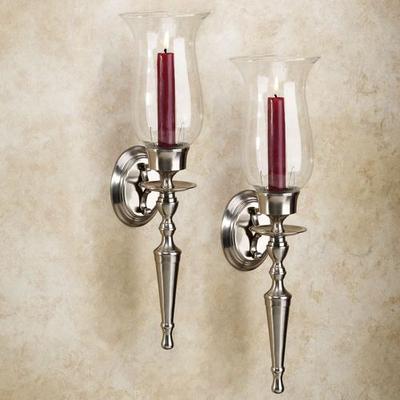
Flythe Consulting Arika Wall Sconce Pair, Pair, Satin NickelThe Arika Wall Sconce Pair is an adaptation of old-fashioned light fixtures, with an appealing design that will complement modern decor. The lacquered solid brass sconces have 4.75 dia.x7 H clear glass hurricanes that will protect your standard...179,00 $*Shipping: 22,95 $Secure redirect to the provider
-
Flythe Consulting Jonetia Hurricane Wall Sconce Pair Satin Brass, Pair, Satin BrassThe Jonetia Satin Brass Hurricane Wall Sconce Pair proudly displays grandeur on your walls. These hand-forged, solid brass sconces feature a diamond design and fleur-de-lis motif. Sconces have a lacquered, satin brass finish that is done by hand. A...229,00 $*Shipping: 32,06 $Secure redirect to the provider
-
What is the difference between calculated depreciation and accounting depreciation?
Calculated depreciation refers to the estimated reduction in the value of an asset over time, typically based on its useful life and salvage value. Accounting depreciation, on the other hand, is the systematic allocation of the cost of an asset to its useful life in the company's financial statements, following specific accounting rules and standards. While calculated depreciation is more of an estimation, accounting depreciation is a formal recognition of the reduction in the asset's value on the company's books. **
-
Why is the calculated depreciation lower than the accounting depreciation?
The calculated depreciation is often lower than the accounting depreciation because it is based on the asset's useful life and salvage value, while accounting depreciation may include additional factors such as tax regulations or management's discretion. Calculated depreciation follows a systematic method like straight-line or reducing balance, whereas accounting depreciation can be influenced by various accounting policies or methods chosen by the company. Additionally, accounting depreciation may consider impairment charges or revaluation of assets, leading to differences in the calculated and accounting depreciation figures. **
-
What is the essence of depreciation in accounting?
Depreciation in accounting is the process of allocating the cost of a tangible asset over its useful life. It reflects the decrease in value of the asset as it is used over time. The essence of depreciation is to accurately match the cost of the asset with the revenue it helps generate, and to properly reflect the wear and tear or obsolescence of the asset. This allows for a more accurate representation of the company's financial position and performance. **
-
How is the accounting depreciation of machinery carried out?
The accounting depreciation of machinery is carried out by allocating the cost of the machinery over its useful life. This is typically done using methods such as straight-line depreciation, where the cost is evenly spread out over the useful life of the machinery, or accelerated depreciation, where more depreciation is recognized in the earlier years of the machinery's life. The depreciation expense is then recorded on the income statement, reducing the machinery's book value on the balance sheet. This process allows for the recognition of the machinery's cost over time and helps to accurately reflect its diminishing value as it is used. **
Similar search terms for Depreciation
-
Why are the calculated depreciation shown on the income side and the accounting depreciation on the expense side?
The calculated depreciation is shown on the income side because it represents the portion of an asset's cost that has been used up during the accounting period, which reduces the company's taxable income. On the other hand, accounting depreciation is shown on the expense side because it reflects the allocation of the asset's cost over its useful life to match the expense with the revenue generated by using the asset. This helps in accurately representing the true financial position of the company by spreading the cost of the asset over its useful life. **
-
Can someone complete depreciation tasks in accounting under time pressure?
Yes, someone can complete depreciation tasks in accounting under time pressure, but it may lead to errors or oversights if not done carefully. Depreciation calculations require attention to detail and accuracy to ensure the financial statements are correct. It is important for individuals to manage their time effectively, stay focused, and double-check their work to avoid mistakes when completing depreciation tasks under time pressure. **
-
How is cashback booked in accounting in relation to depreciation?
Cashback is typically treated as a reduction in the cost of the asset, and it is deducted from the original purchase price. This reduces the carrying amount of the asset and can affect the depreciation expense. When cashback is received, the carrying amount of the asset is reduced, which in turn affects the depreciation expense. The depreciation expense is calculated based on the carrying amount of the asset, so a reduction in the carrying amount due to cashback will result in lower depreciation expense in future periods. **
-
Why are the calculated depreciation shown on the income side and the accounting depreciation shown on the expense side?
The calculated depreciation is shown on the income side because it represents the portion of an asset's cost that has been used up during the accounting period and is deducted from the revenue to determine the net income. On the other hand, accounting depreciation is shown on the expense side because it reflects the systematic allocation of the asset's cost over its useful life to match the expense with the revenue it helps generate. By showing depreciation on both sides, the income statement provides a comprehensive view of the impact of depreciation on the company's financial performance. **
* All prices are inclusive of VAT and, if applicable, plus shipping costs. The offer information is based on the details provided by the respective shop and is updated through automated processes. Real-time updates do not occur, so deviations can occur in individual cases. ** Note: Parts of this content were created by AI.