Buy fiduciaire.eu ?
We are moving the project
fiduciaire.eu .
Are you interested in purchasing the domain
fiduciaire.eu ?
domain@kv-gmbh.de · 0541-91531010
Buy fiduciaire.eu ?
"Is that anatomically possible?"
The question "Is that anatomically possible?" is often asked when someone sees or hears about a physical feat or bodily function that seems extraordinary or unbelievable. It is a way of questioning whether the human body is capable of performing the action or exhibiting the trait in question. This question is commonly used in discussions about extreme sports, unusual medical conditions, or extraordinary physical abilities. It prompts further exploration into the capabilities and limitations of the human body. **
Is this drawing anatomically correct?
Without seeing the specific drawing in question, it is difficult to determine if it is anatomically correct. Anatomical correctness in a drawing depends on the accuracy of the proportions, placement, and details of the body parts being depicted. It is important to compare the drawing to anatomical references or consult with a knowledgeable individual to assess its accuracy. **
Similar search terms for Anatomically
Top-Angebote
Products related to Anatomically:
-
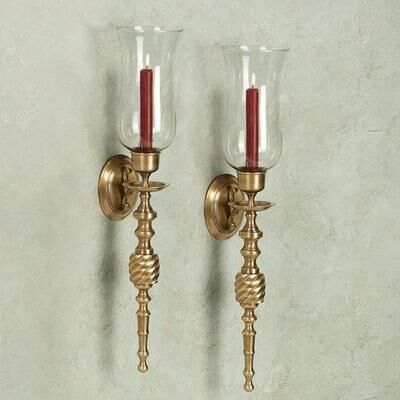
Flythe Consulting Brookville Wall Sconce Pair Antique Brass, Pair, Antique BrassThe Brookville Antique Brass Wall Sconce Pair uses simple design and a delicate aesthetic to create a truly elegant appeal. Each handcrafted, solid lacquered brass sconce has a scrolling arm, solid backplate, chain accents, and a 6 dia.x9 H etched...324,99 $*Shipping: 0,00 $Secure redirect to the provider
-
Flythe Consulting Jonetia Hurricane Wall Sconce Pair Satin Brass, Pair, Satin BrassThe Jonetia Satin Brass Hurricane Wall Sconce Pair proudly displays grandeur on your walls. These hand-forged, solid brass sconces feature a diamond design and fleur-de-lis motif. Sconces have a lacquered, satin brass finish that is done by hand. A...229,00 $*Shipping: 32,06 $Secure redirect to the provider


-
Can cats theoretically anatomically speak?
No, cats cannot anatomically speak in the same way that humans do. Cats do not have the same vocal anatomy as humans, and their vocal cords and larynx are not designed for producing the wide range of sounds that humans can make for speech. However, cats do communicate through a variety of vocalizations such as meowing, purring, hissing, and growling, which serve as a form of communication with humans and other animals. **
-
What is anatomically the ankle?
The ankle is a complex joint that connects the lower leg to the foot. It is made up of three bones: the tibia and fibula from the lower leg, and the talus from the foot. These bones are held together by ligaments, which provide stability to the joint. The ankle also contains several tendons that connect muscles in the lower leg to the foot, allowing for movement and support. Overall, the ankle is a crucial joint for walking, running, and other weight-bearing activities. **
-
Are hornets and bees anatomically similar?
Hornets and bees are both members of the Hymenoptera order and share some anatomical similarities. They both have two pairs of wings, six legs, and a stinger. However, hornets tend to be larger and have smoother bodies compared to bees. Additionally, hornets have more elongated faces and larger mandibles compared to bees. **
-
Does this drawing look anatomically correct?
Without seeing the drawing, it is difficult to determine if it is anatomically correct. Anatomical correctness in a drawing depends on the accuracy of the proportions, placement, and details of the body parts. It is important to consider the perspective and style of the drawing as well. If you provide more specific details about the drawing, I can give a more accurate assessment of its anatomical correctness. **
What is anatomically incorrect decadent redundancy?
Anatomically incorrect decadent redundancy refers to an excessive or unnecessary duplication of body parts or structures that are not biologically necessary or functional. This can occur as a result of genetic mutations or developmental abnormalities, leading to the presence of extra or non-functional organs or tissues. This condition can lead to health issues and complications, as the body may struggle to support or maintain these redundant structures. **
Is a Daith piercing anatomically possible?
Yes, a Daith piercing is anatomically possible. The Daith piercing is located in the innermost cartilage fold of the ear, and it is typically done using a small gauge needle. The location of the piercing may vary slightly from person to person based on the anatomy of their ear, but it is generally feasible for most individuals. It is important to have the piercing done by a professional who is experienced in ear piercings to ensure it is done safely and accurately. **
Top-Angebote
Products related to Anatomically:
-
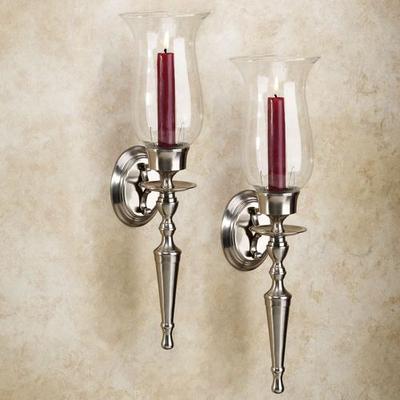
Flythe Consulting Arika Wall Sconce Pair, Pair, Satin NickelThe Arika Wall Sconce Pair is an adaptation of old-fashioned light fixtures, with an appealing design that will complement modern decor. The lacquered solid brass sconces have 4.75 dia.x7 H clear glass hurricanes that will protect your standard...179,00 $*Shipping: 22,95 $Secure redirect to the provider
-
Flythe Consulting Brookville Wall Sconce Pair Antique Brass, Pair, Antique BrassThe Brookville Antique Brass Wall Sconce Pair uses simple design and a delicate aesthetic to create a truly elegant appeal. Each handcrafted, solid lacquered brass sconce has a scrolling arm, solid backplate, chain accents, and a 6 dia.x9 H etched...324,99 $*Shipping: 0,00 $Secure redirect to the provider
-
Flythe Consulting Jonetia Hurricane Wall Sconce Pair Satin Brass, Pair, Satin BrassThe Jonetia Satin Brass Hurricane Wall Sconce Pair proudly displays grandeur on your walls. These hand-forged, solid brass sconces feature a diamond design and fleur-de-lis motif. Sconces have a lacquered, satin brass finish that is done by hand. A...229,00 $*Shipping: 32,06 $Secure redirect to the provider
-
"Is that anatomically possible?"
The question "Is that anatomically possible?" is often asked when someone sees or hears about a physical feat or bodily function that seems extraordinary or unbelievable. It is a way of questioning whether the human body is capable of performing the action or exhibiting the trait in question. This question is commonly used in discussions about extreme sports, unusual medical conditions, or extraordinary physical abilities. It prompts further exploration into the capabilities and limitations of the human body. **
-
Is this drawing anatomically correct?
Without seeing the specific drawing in question, it is difficult to determine if it is anatomically correct. Anatomical correctness in a drawing depends on the accuracy of the proportions, placement, and details of the body parts being depicted. It is important to compare the drawing to anatomical references or consult with a knowledgeable individual to assess its accuracy. **
-
Can cats theoretically anatomically speak?
No, cats cannot anatomically speak in the same way that humans do. Cats do not have the same vocal anatomy as humans, and their vocal cords and larynx are not designed for producing the wide range of sounds that humans can make for speech. However, cats do communicate through a variety of vocalizations such as meowing, purring, hissing, and growling, which serve as a form of communication with humans and other animals. **
-
What is anatomically the ankle?
The ankle is a complex joint that connects the lower leg to the foot. It is made up of three bones: the tibia and fibula from the lower leg, and the talus from the foot. These bones are held together by ligaments, which provide stability to the joint. The ankle also contains several tendons that connect muscles in the lower leg to the foot, allowing for movement and support. Overall, the ankle is a crucial joint for walking, running, and other weight-bearing activities. **
Similar search terms for Anatomically
-
Are hornets and bees anatomically similar?
Hornets and bees are both members of the Hymenoptera order and share some anatomical similarities. They both have two pairs of wings, six legs, and a stinger. However, hornets tend to be larger and have smoother bodies compared to bees. Additionally, hornets have more elongated faces and larger mandibles compared to bees. **
-
Does this drawing look anatomically correct?
Without seeing the drawing, it is difficult to determine if it is anatomically correct. Anatomical correctness in a drawing depends on the accuracy of the proportions, placement, and details of the body parts. It is important to consider the perspective and style of the drawing as well. If you provide more specific details about the drawing, I can give a more accurate assessment of its anatomical correctness. **
-
What is anatomically incorrect decadent redundancy?
Anatomically incorrect decadent redundancy refers to an excessive or unnecessary duplication of body parts or structures that are not biologically necessary or functional. This can occur as a result of genetic mutations or developmental abnormalities, leading to the presence of extra or non-functional organs or tissues. This condition can lead to health issues and complications, as the body may struggle to support or maintain these redundant structures. **
-
Is a Daith piercing anatomically possible?
Yes, a Daith piercing is anatomically possible. The Daith piercing is located in the innermost cartilage fold of the ear, and it is typically done using a small gauge needle. The location of the piercing may vary slightly from person to person based on the anatomy of their ear, but it is generally feasible for most individuals. It is important to have the piercing done by a professional who is experienced in ear piercings to ensure it is done safely and accurately. **
* All prices are inclusive of VAT and, if applicable, plus shipping costs. The offer information is based on the details provided by the respective shop and is updated through automated processes. Real-time updates do not occur, so deviations can occur in individual cases. ** Note: Parts of this content were created by AI.