Buy fiduciaire.eu ?
We are moving the project
fiduciaire.eu .
Are you interested in purchasing the domain
fiduciaire.eu ?
domain@kv-gmbh.de · 0541-91531010
Buy fiduciaire.eu ?
How do catalysts work?
Catalysts work by providing an alternative pathway for a chemical reaction to occur, which lowers the activation energy required for the reaction to proceed. This allows the reaction to occur more readily and at a faster rate. Catalysts themselves are not consumed in the reaction and can be used repeatedly, making them highly efficient in promoting chemical reactions. They can also increase the selectivity of a reaction, favoring the formation of a specific product. **
What are biological catalysts?
Biological catalysts, also known as enzymes, are proteins that speed up chemical reactions in living organisms. They do this by lowering the activation energy required for a reaction to occur, allowing it to happen more quickly. Enzymes are highly specific, meaning each one is designed to catalyze a specific reaction. They play a crucial role in metabolism, digestion, and many other biological processes. **

Similar search terms for Catalysts
Top-Angebote
Products related to Catalysts:
-
Flythe Consulting Brookville Wall Sconce Pair Antique Brass, Pair, Antique BrassThe Brookville Antique Brass Wall Sconce Pair uses simple design and a delicate aesthetic to create a truly elegant appeal. Each handcrafted, solid lacquered brass sconce has a scrolling arm, solid backplate, chain accents, and a 6 dia.x9 H etched...324,99 $*Shipping: 0,00 $Secure redirect to the provider
-
Flythe Consulting Jonetia Hurricane Wall Sconce Pair Satin Brass, Pair, Satin BrassThe Jonetia Satin Brass Hurricane Wall Sconce Pair proudly displays grandeur on your walls. These hand-forged, solid brass sconces feature a diamond design and fleur-de-lis motif. Sconces have a lacquered, satin brass finish that is done by hand. A...229,00 $*Shipping: 32,06 $Secure redirect to the provider


-
Can catalysts be sold?
Yes, catalysts can be sold. Catalysts are valuable materials used in various industries such as chemical manufacturing, petroleum refining, and environmental protection. Companies that produce catalysts often sell them to other businesses that require these materials to facilitate chemical reactions or processes. The sale of catalysts is a common practice in the commercial market. **
-
Are catalysts highly reactive substances?
Catalysts are not highly reactive substances themselves. Instead, they work by providing an alternative pathway for chemical reactions to occur more easily and quickly, without being consumed in the process. This means that catalysts can increase the rate of a reaction without being permanently altered or used up, making them valuable tools in various industrial processes. **
-
Are catalysts very reactive substances?
Catalysts are not typically very reactive substances themselves. Instead, they work by providing an alternative pathway for a chemical reaction to occur more easily and quickly, without being consumed in the process. This means that catalysts can facilitate reactions without undergoing significant changes themselves, making them efficient and effective in promoting chemical reactions. **
-
Can you give examples of catalysts?
Sure! Some common examples of catalysts include enzymes in biological systems, such as the digestive enzymes in our stomach that help break down food. In industrial processes, catalysts like platinum and palladium are used in catalytic converters to convert harmful gases into less harmful substances in car exhaust. Additionally, in the production of chemicals, catalysts like nickel and iron are used to speed up reactions and increase efficiency. **
What are the properties of catalysts?
Catalysts are substances that can speed up a chemical reaction without being consumed in the process. They work by providing an alternative pathway for the reaction to occur, lowering the activation energy required for the reaction to take place. Catalysts can be specific to certain reactions and are often highly selective, meaning they only catalyze specific reactions. Additionally, catalysts can be used in small amounts and can be reused multiple times, making them cost-effective and environmentally friendly. **
What are enzymes and catalysts in chemistry?
Enzymes are biological molecules that act as catalysts in biochemical reactions. They speed up the rate of chemical reactions by lowering the activation energy required for the reaction to occur. Catalysts, on the other hand, are substances that increase the rate of a chemical reaction without being consumed in the process. Both enzymes and catalysts work by providing an alternative pathway for the reaction to take place, making the reaction occur more quickly and efficiently. **
Top-Angebote
Products related to Catalysts:
-
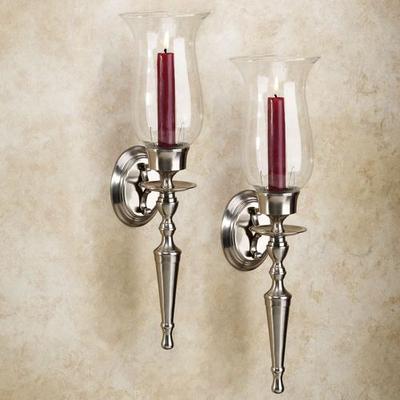
Flythe Consulting Arika Wall Sconce Pair, Pair, Satin NickelThe Arika Wall Sconce Pair is an adaptation of old-fashioned light fixtures, with an appealing design that will complement modern decor. The lacquered solid brass sconces have 4.75 dia.x7 H clear glass hurricanes that will protect your standard...179,00 $*Shipping: 22,95 $Secure redirect to the provider
-
Flythe Consulting Brookville Wall Sconce Pair Antique Brass, Pair, Antique BrassThe Brookville Antique Brass Wall Sconce Pair uses simple design and a delicate aesthetic to create a truly elegant appeal. Each handcrafted, solid lacquered brass sconce has a scrolling arm, solid backplate, chain accents, and a 6 dia.x9 H etched...324,99 $*Shipping: 0,00 $Secure redirect to the provider
-
Flythe Consulting Jonetia Hurricane Wall Sconce Pair Satin Brass, Pair, Satin BrassThe Jonetia Satin Brass Hurricane Wall Sconce Pair proudly displays grandeur on your walls. These hand-forged, solid brass sconces feature a diamond design and fleur-de-lis motif. Sconces have a lacquered, satin brass finish that is done by hand. A...229,00 $*Shipping: 32,06 $Secure redirect to the provider
-
How do catalysts work?
Catalysts work by providing an alternative pathway for a chemical reaction to occur, which lowers the activation energy required for the reaction to proceed. This allows the reaction to occur more readily and at a faster rate. Catalysts themselves are not consumed in the reaction and can be used repeatedly, making them highly efficient in promoting chemical reactions. They can also increase the selectivity of a reaction, favoring the formation of a specific product. **
-
What are biological catalysts?
Biological catalysts, also known as enzymes, are proteins that speed up chemical reactions in living organisms. They do this by lowering the activation energy required for a reaction to occur, allowing it to happen more quickly. Enzymes are highly specific, meaning each one is designed to catalyze a specific reaction. They play a crucial role in metabolism, digestion, and many other biological processes. **
-
Can catalysts be sold?
Yes, catalysts can be sold. Catalysts are valuable materials used in various industries such as chemical manufacturing, petroleum refining, and environmental protection. Companies that produce catalysts often sell them to other businesses that require these materials to facilitate chemical reactions or processes. The sale of catalysts is a common practice in the commercial market. **
-
Are catalysts highly reactive substances?
Catalysts are not highly reactive substances themselves. Instead, they work by providing an alternative pathway for chemical reactions to occur more easily and quickly, without being consumed in the process. This means that catalysts can increase the rate of a reaction without being permanently altered or used up, making them valuable tools in various industrial processes. **
Similar search terms for Catalysts
-
Are catalysts very reactive substances?
Catalysts are not typically very reactive substances themselves. Instead, they work by providing an alternative pathway for a chemical reaction to occur more easily and quickly, without being consumed in the process. This means that catalysts can facilitate reactions without undergoing significant changes themselves, making them efficient and effective in promoting chemical reactions. **
-
Can you give examples of catalysts?
Sure! Some common examples of catalysts include enzymes in biological systems, such as the digestive enzymes in our stomach that help break down food. In industrial processes, catalysts like platinum and palladium are used in catalytic converters to convert harmful gases into less harmful substances in car exhaust. Additionally, in the production of chemicals, catalysts like nickel and iron are used to speed up reactions and increase efficiency. **
-
What are the properties of catalysts?
Catalysts are substances that can speed up a chemical reaction without being consumed in the process. They work by providing an alternative pathway for the reaction to occur, lowering the activation energy required for the reaction to take place. Catalysts can be specific to certain reactions and are often highly selective, meaning they only catalyze specific reactions. Additionally, catalysts can be used in small amounts and can be reused multiple times, making them cost-effective and environmentally friendly. **
-
What are enzymes and catalysts in chemistry?
Enzymes are biological molecules that act as catalysts in biochemical reactions. They speed up the rate of chemical reactions by lowering the activation energy required for the reaction to occur. Catalysts, on the other hand, are substances that increase the rate of a chemical reaction without being consumed in the process. Both enzymes and catalysts work by providing an alternative pathway for the reaction to take place, making the reaction occur more quickly and efficiently. **
* All prices are inclusive of VAT and, if applicable, plus shipping costs. The offer information is based on the details provided by the respective shop and is updated through automated processes. Real-time updates do not occur, so deviations can occur in individual cases. ** Note: Parts of this content were created by AI.