Buy fiduciaire.eu ?
We are moving the project
fiduciaire.eu .
Are you interested in purchasing the domain
fiduciaire.eu ?
domain@kv-gmbh.de · 0541-91531010
Buy fiduciaire.eu ?
Does the machinist need Swiss recognition?
Yes, having Swiss recognition as a machinist can be beneficial as Switzerland is known for its high-quality precision manufacturing industry. Swiss recognition can enhance the machinist's credibility and open up opportunities for working with Swiss companies or in industries that value Swiss precision and expertise. Additionally, Swiss recognition may also lead to higher job prospects and potentially better salary opportunities for the machinist. **
Did the machinist fail the exam?
Yes, the machinist failed the exam. **

Similar search terms for Machinist
Top-Angebote
Products related to Machinist:
-
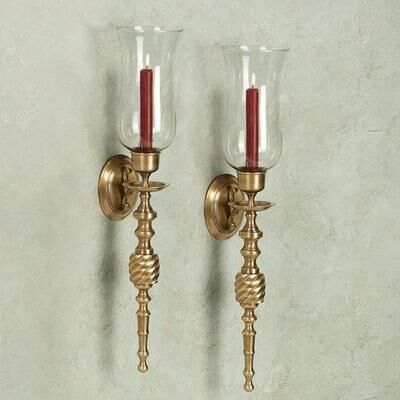
Flythe Consulting Brookville Wall Sconce Pair Antique Brass, Pair, Antique BrassThe Brookville Antique Brass Wall Sconce Pair uses simple design and a delicate aesthetic to create a truly elegant appeal. Each handcrafted, solid lacquered brass sconce has a scrolling arm, solid backplate, chain accents, and a 6 dia.x9 H etched...324,99 $*Shipping: 0,00 $Secure redirect to the provider
-
Flythe Consulting Jonetia Hurricane Wall Sconce Pair Satin Brass, Pair, Satin BrassThe Jonetia Satin Brass Hurricane Wall Sconce Pair proudly displays grandeur on your walls. These hand-forged, solid brass sconces feature a diamond design and fleur-de-lis motif. Sconces have a lacquered, satin brass finish that is done by hand. A...229,00 $*Shipping: 32,06 $Secure redirect to the provider


-
What weaknesses does a machinist have?
One weakness that a machinist may have is the potential for physical strain and injury due to the repetitive and precise nature of their work. Another weakness could be a lack of creativity or innovation in problem-solving, as machinists often follow set procedures and guidelines. Additionally, machinists may struggle with adapting to new technologies or software if they are not continuously updating their skills and knowledge in the field. **
-
How much does a machinist earn?
The salary of a machinist can vary depending on factors such as experience, location, and the specific industry they work in. On average, a machinist in the United States can earn between $35,000 to $60,000 per year. However, highly skilled and experienced machinists may earn more, especially if they work in industries such as aerospace or automotive manufacturing. Additionally, machinists who work in unionized environments may also have higher earning potential. **
-
What grades does a machinist need?
To become a machinist, typically a high school diploma or equivalent is required. Some employers may prefer candidates with additional education or training in machining or a related field, such as a certificate or associate's degree. Machinists also need to have strong math and problem-solving skills, as well as the ability to read and interpret technical drawings and blueprints. Additionally, machinists may benefit from on-the-job training or apprenticeships to further develop their skills and knowledge in the field. **
-
What are the weaknesses of a machinist?
Some weaknesses of a machinist may include a lack of attention to detail, which can result in errors in measurements or machining processes. Another weakness could be a limited understanding of complex machining techniques or materials, which may hinder their ability to work on more advanced projects. Additionally, a machinist may struggle with adapting to new technologies or software used in modern machining processes, which can impact their efficiency and productivity. **
Does the machinist have a good future?
Yes, the machinist profession has a good future as there is a growing demand for skilled machinists in various industries such as manufacturing, aerospace, automotive, and more. With advancements in technology, machinists who are proficient in operating and programming computer numerical control (CNC) machines are especially sought after. Additionally, as older machinists retire, there will be opportunities for new machinists to enter the field and advance their careers. Overall, the machinist profession offers a stable and promising future for those interested in this skilled trade. **
What professions are there, machinist or electrician?
Both machinists and electricians are skilled tradespeople with different areas of expertise. Machinists work with machinery and tools to create or modify parts, while electricians specialize in installing, maintaining, and repairing electrical systems. Both professions require technical knowledge, problem-solving skills, and attention to detail. Ultimately, the choice between becoming a machinist or an electrician depends on individual interests and career goals. **
Top-Angebote
Products related to Machinist:
-
Flythe Consulting Arika Wall Sconce Pair, Pair, Satin NickelThe Arika Wall Sconce Pair is an adaptation of old-fashioned light fixtures, with an appealing design that will complement modern decor. The lacquered solid brass sconces have 4.75 dia.x7 H clear glass hurricanes that will protect your standard...179,00 $*Shipping: 22,95 $Secure redirect to the provider
-
Flythe Consulting Brookville Wall Sconce Pair Antique Brass, Pair, Antique BrassThe Brookville Antique Brass Wall Sconce Pair uses simple design and a delicate aesthetic to create a truly elegant appeal. Each handcrafted, solid lacquered brass sconce has a scrolling arm, solid backplate, chain accents, and a 6 dia.x9 H etched...324,99 $*Shipping: 0,00 $Secure redirect to the provider
-
Flythe Consulting Jonetia Hurricane Wall Sconce Pair Satin Brass, Pair, Satin BrassThe Jonetia Satin Brass Hurricane Wall Sconce Pair proudly displays grandeur on your walls. These hand-forged, solid brass sconces feature a diamond design and fleur-de-lis motif. Sconces have a lacquered, satin brass finish that is done by hand. A...229,00 $*Shipping: 32,06 $Secure redirect to the provider
-
Does the machinist need Swiss recognition?
Yes, having Swiss recognition as a machinist can be beneficial as Switzerland is known for its high-quality precision manufacturing industry. Swiss recognition can enhance the machinist's credibility and open up opportunities for working with Swiss companies or in industries that value Swiss precision and expertise. Additionally, Swiss recognition may also lead to higher job prospects and potentially better salary opportunities for the machinist. **
-
Did the machinist fail the exam?
Yes, the machinist failed the exam. **
-
What weaknesses does a machinist have?
One weakness that a machinist may have is the potential for physical strain and injury due to the repetitive and precise nature of their work. Another weakness could be a lack of creativity or innovation in problem-solving, as machinists often follow set procedures and guidelines. Additionally, machinists may struggle with adapting to new technologies or software if they are not continuously updating their skills and knowledge in the field. **
-
How much does a machinist earn?
The salary of a machinist can vary depending on factors such as experience, location, and the specific industry they work in. On average, a machinist in the United States can earn between $35,000 to $60,000 per year. However, highly skilled and experienced machinists may earn more, especially if they work in industries such as aerospace or automotive manufacturing. Additionally, machinists who work in unionized environments may also have higher earning potential. **
Similar search terms for Machinist
-
What grades does a machinist need?
To become a machinist, typically a high school diploma or equivalent is required. Some employers may prefer candidates with additional education or training in machining or a related field, such as a certificate or associate's degree. Machinists also need to have strong math and problem-solving skills, as well as the ability to read and interpret technical drawings and blueprints. Additionally, machinists may benefit from on-the-job training or apprenticeships to further develop their skills and knowledge in the field. **
-
What are the weaknesses of a machinist?
Some weaknesses of a machinist may include a lack of attention to detail, which can result in errors in measurements or machining processes. Another weakness could be a limited understanding of complex machining techniques or materials, which may hinder their ability to work on more advanced projects. Additionally, a machinist may struggle with adapting to new technologies or software used in modern machining processes, which can impact their efficiency and productivity. **
-
Does the machinist have a good future?
Yes, the machinist profession has a good future as there is a growing demand for skilled machinists in various industries such as manufacturing, aerospace, automotive, and more. With advancements in technology, machinists who are proficient in operating and programming computer numerical control (CNC) machines are especially sought after. Additionally, as older machinists retire, there will be opportunities for new machinists to enter the field and advance their careers. Overall, the machinist profession offers a stable and promising future for those interested in this skilled trade. **
-
What professions are there, machinist or electrician?
Both machinists and electricians are skilled tradespeople with different areas of expertise. Machinists work with machinery and tools to create or modify parts, while electricians specialize in installing, maintaining, and repairing electrical systems. Both professions require technical knowledge, problem-solving skills, and attention to detail. Ultimately, the choice between becoming a machinist or an electrician depends on individual interests and career goals. **
* All prices are inclusive of VAT and, if applicable, plus shipping costs. The offer information is based on the details provided by the respective shop and is updated through automated processes. Real-time updates do not occur, so deviations can occur in individual cases. ** Note: Parts of this content were created by AI.