Buy fiduciaire.eu ?
We are moving the project
fiduciaire.eu .
Are you interested in purchasing the domain
fiduciaire.eu ?
domain@kv-gmbh.de · 0541-91531010
Buy fiduciaire.eu ?
Who were the pharaohs?
The pharaohs were the rulers of ancient Egypt, considered to be both the political and religious leaders of the civilization. They were believed to be divine figures, with the responsibility of maintaining order and harmony in the kingdom. The pharaohs were often buried in elaborate tombs, such as the famous pyramids, and were surrounded by wealth and treasures to accompany them in the afterlife. The pharaohs held absolute power and were seen as the intermediaries between the gods and the people. **
How did the pharaohs rule?
The pharaohs ruled ancient Egypt as both political and religious leaders. They were believed to be the intermediaries between the gods and the people, and their rule was considered to be divinely ordained. The pharaohs had absolute power and authority over the land, and they controlled the administration, economy, and military. They also oversaw the construction of monumental structures and the organization of religious ceremonies. The pharaohs were seen as the ultimate authority and were revered as living gods by the Egyptian people. **
Similar search terms for Pharaohs
Top-Angebote
Products related to Pharaohs:
-
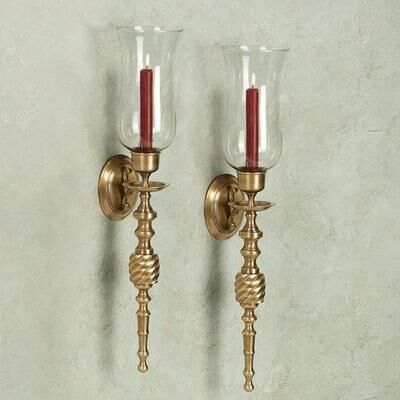
Flythe Consulting Brookville Wall Sconce Pair Antique Brass, Pair, Antique BrassThe Brookville Antique Brass Wall Sconce Pair uses simple design and a delicate aesthetic to create a truly elegant appeal. Each handcrafted, solid lacquered brass sconce has a scrolling arm, solid backplate, chain accents, and a 6 dia.x9 H etched...324,99 $*Shipping: 0,00 $Secure redirect to the provider
-
Flythe Consulting Jonetia Hurricane Wall Sconce Pair Satin Brass, Pair, Satin BrassThe Jonetia Satin Brass Hurricane Wall Sconce Pair proudly displays grandeur on your walls. These hand-forged, solid brass sconces feature a diamond design and fleur-de-lis motif. Sconces have a lacquered, satin brass finish that is done by hand. A...229,00 $*Shipping: 32,06 $Secure redirect to the provider


-
Why are there no more pharaohs?
There are no more pharaohs because the title of pharaoh was specific to ancient Egypt and its unique system of government. The pharaohs ruled as both political and religious leaders, and their authority was deeply tied to the Egyptian belief in divine kingship. After the fall of the Egyptian civilization and the transition to different forms of governance, the role of the pharaoh became obsolete. Today, Egypt is a republic with a president as the head of state, marking the end of the pharaohs' reign. **
-
Does anyone know anything about pharaohs?
Pharaohs were the rulers of ancient Egypt, considered to be both political and religious leaders. They were believed to be the earthly embodiment of the god Horus and were responsible for maintaining order and harmony in the kingdom. Pharaohs were often buried in elaborate tombs, such as the famous pyramids, and were surrounded by treasures and items they would need in the afterlife. Some of the most well-known pharaohs include Tutankhamun, Ramses II, and Cleopatra. **
-
Who believes in the existence of pharaohs?
Many historians, archaeologists, and scholars believe in the existence of pharaohs. This belief is based on extensive archaeological evidence, including the discovery of pharaohs' tombs, temples, and inscriptions. Additionally, ancient texts and records from Egypt also provide detailed accounts of the lives and reigns of various pharaohs. Overall, the existence of pharaohs is widely accepted within the academic and archaeological communities. **
-
Were the wives of pharaohs killed when he died?
No, the wives of pharaohs were not typically killed when the pharaoh died. In ancient Egypt, it was common for the pharaoh's wives to continue living after his death. They would often play a role in the succession of the next pharaoh, and some even held positions of power and influence in their own right. While there are some instances of queens being buried with their pharaohs, it was not a widespread practice. **
Were there slaves during the time of the pharaohs?
Yes, there were slaves during the time of the pharaohs in ancient Egypt. Slaves were often captured as prisoners of war or were individuals who were unable to pay off their debts. They were used for various tasks such as building monuments, working in the fields, and serving in households. Slavery was an integral part of the ancient Egyptian economy and society. **
Does the British royal family descend from the Pharaohs?
There is no credible evidence to support the claim that the British royal family descends from the Pharaohs of ancient Egypt. The British royal family's lineage can be traced back to various European royal houses, such as the House of Hanover and the House of Windsor, rather than to ancient Egyptian royalty. While there may be some distant connections between European royal families and ancient Egyptian rulers through intermarriage and genealogy, the idea of a direct descent from the Pharaohs is not supported by historical evidence. **
Top-Angebote
Products related to Pharaohs:
-
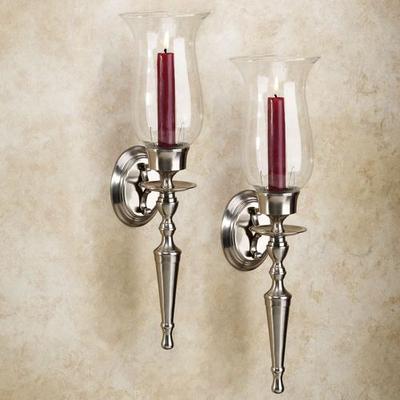
Flythe Consulting Arika Wall Sconce Pair, Pair, Satin NickelThe Arika Wall Sconce Pair is an adaptation of old-fashioned light fixtures, with an appealing design that will complement modern decor. The lacquered solid brass sconces have 4.75 dia.x7 H clear glass hurricanes that will protect your standard...179,00 $*Shipping: 22,95 $Secure redirect to the provider
-
Flythe Consulting Brookville Wall Sconce Pair Antique Brass, Pair, Antique BrassThe Brookville Antique Brass Wall Sconce Pair uses simple design and a delicate aesthetic to create a truly elegant appeal. Each handcrafted, solid lacquered brass sconce has a scrolling arm, solid backplate, chain accents, and a 6 dia.x9 H etched...324,99 $*Shipping: 0,00 $Secure redirect to the provider
-
Flythe Consulting Jonetia Hurricane Wall Sconce Pair Satin Brass, Pair, Satin BrassThe Jonetia Satin Brass Hurricane Wall Sconce Pair proudly displays grandeur on your walls. These hand-forged, solid brass sconces feature a diamond design and fleur-de-lis motif. Sconces have a lacquered, satin brass finish that is done by hand. A...229,00 $*Shipping: 32,06 $Secure redirect to the provider
-
Who were the pharaohs?
The pharaohs were the rulers of ancient Egypt, considered to be both the political and religious leaders of the civilization. They were believed to be divine figures, with the responsibility of maintaining order and harmony in the kingdom. The pharaohs were often buried in elaborate tombs, such as the famous pyramids, and were surrounded by wealth and treasures to accompany them in the afterlife. The pharaohs held absolute power and were seen as the intermediaries between the gods and the people. **
-
How did the pharaohs rule?
The pharaohs ruled ancient Egypt as both political and religious leaders. They were believed to be the intermediaries between the gods and the people, and their rule was considered to be divinely ordained. The pharaohs had absolute power and authority over the land, and they controlled the administration, economy, and military. They also oversaw the construction of monumental structures and the organization of religious ceremonies. The pharaohs were seen as the ultimate authority and were revered as living gods by the Egyptian people. **
-
Why are there no more pharaohs?
There are no more pharaohs because the title of pharaoh was specific to ancient Egypt and its unique system of government. The pharaohs ruled as both political and religious leaders, and their authority was deeply tied to the Egyptian belief in divine kingship. After the fall of the Egyptian civilization and the transition to different forms of governance, the role of the pharaoh became obsolete. Today, Egypt is a republic with a president as the head of state, marking the end of the pharaohs' reign. **
-
Does anyone know anything about pharaohs?
Pharaohs were the rulers of ancient Egypt, considered to be both political and religious leaders. They were believed to be the earthly embodiment of the god Horus and were responsible for maintaining order and harmony in the kingdom. Pharaohs were often buried in elaborate tombs, such as the famous pyramids, and were surrounded by treasures and items they would need in the afterlife. Some of the most well-known pharaohs include Tutankhamun, Ramses II, and Cleopatra. **
Similar search terms for Pharaohs
-
Who believes in the existence of pharaohs?
Many historians, archaeologists, and scholars believe in the existence of pharaohs. This belief is based on extensive archaeological evidence, including the discovery of pharaohs' tombs, temples, and inscriptions. Additionally, ancient texts and records from Egypt also provide detailed accounts of the lives and reigns of various pharaohs. Overall, the existence of pharaohs is widely accepted within the academic and archaeological communities. **
-
Were the wives of pharaohs killed when he died?
No, the wives of pharaohs were not typically killed when the pharaoh died. In ancient Egypt, it was common for the pharaoh's wives to continue living after his death. They would often play a role in the succession of the next pharaoh, and some even held positions of power and influence in their own right. While there are some instances of queens being buried with their pharaohs, it was not a widespread practice. **
-
Were there slaves during the time of the pharaohs?
Yes, there were slaves during the time of the pharaohs in ancient Egypt. Slaves were often captured as prisoners of war or were individuals who were unable to pay off their debts. They were used for various tasks such as building monuments, working in the fields, and serving in households. Slavery was an integral part of the ancient Egyptian economy and society. **
-
Does the British royal family descend from the Pharaohs?
There is no credible evidence to support the claim that the British royal family descends from the Pharaohs of ancient Egypt. The British royal family's lineage can be traced back to various European royal houses, such as the House of Hanover and the House of Windsor, rather than to ancient Egyptian royalty. While there may be some distant connections between European royal families and ancient Egyptian rulers through intermarriage and genealogy, the idea of a direct descent from the Pharaohs is not supported by historical evidence. **
* All prices are inclusive of VAT and, if applicable, plus shipping costs. The offer information is based on the details provided by the respective shop and is updated through automated processes. Real-time updates do not occur, so deviations can occur in individual cases. ** Note: Parts of this content were created by AI.