Buy fiduciaire.eu ?
We are moving the project
fiduciaire.eu .
Are you interested in purchasing the domain
fiduciaire.eu ?
domain@kv-gmbh.de · 0541-91531010
Buy fiduciaire.eu ?
What is the difference between ce que qui and nur que qui?
"Ce que" and "qui" are used in French to introduce relative clauses, while "nur que" and "qui" are used in German. In French, "ce que" is used to introduce a relative clause that functions as the direct object of the main clause, while "qui" is used to introduce a relative clause that functions as the subject of the main clause. In German, "nur que" is used to introduce a relative clause that functions as the direct object of the main clause, while "qui" is used to introduce a relative clause that functions as the subject of the main clause. **
When do we use ce qui, ce que, qui, que, dont, and lequel?
We use "ce qui" when the subject of the verb is unknown or unspecified. "Ce que" is used when the object of the verb is unknown or unspecified. "Qui" is used as the subject of the verb, while "que" is used as the direct object of the verb. "Dont" is used to indicate possession or relationship, and "lequel" is used to refer to a specific noun that has been previously mentioned. **

Similar search terms for Qui
Top-Angebote
Products related to Qui:
-
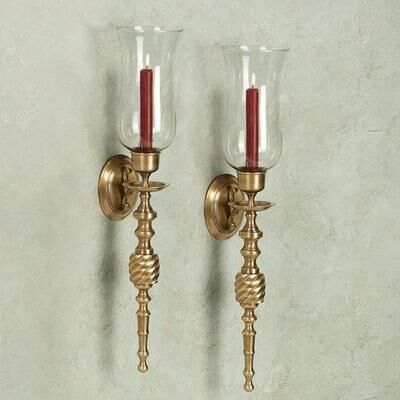
Flythe Consulting Jonetia Hurricane Wall Sconce Pair Satin Brass, Pair, Satin BrassThe Jonetia Satin Brass Hurricane Wall Sconce Pair proudly displays grandeur on your walls. These hand-forged, solid brass sconces feature a diamond design and fleur-de-lis motif. Sconces have a lacquered, satin brass finish that is done by hand. A...229,00 $*Shipping: 32,06 $Secure redirect to the provider


-
Can someone explain to me what "que qui est ce que qui" means?
"Que qui est ce que qui" is not a standard phrase in French. It seems to be a combination of different question words and does not form a coherent question. "Que" means "what," "qui" means "who," and "est-ce que" is a phrase used to form yes/no questions. However, the combination of these words in this order does not make sense in French. It is possible that there was a mistake in the original question or that it was a typo. **
-
What is qui quae quod?
Qui quae quod is a Latin demonstrative pronoun that means "who," "which," or "what." It is used to refer to people, things, or ideas in a relative or interrogative context. In English, it can be translated as "who," "which," or "what," depending on the context in which it is used. **
-
How can one abbreviate 'que qui'?
One can abbreviate 'que qui' by using the abbreviation 'qq' in written communication. This abbreviation is commonly used in French to represent both 'que' and 'qui' in a more concise form. It is important to note that using abbreviations like 'qq' may be informal and should be used appropriately depending on the context. **
-
When do you use "ce que" and when just "que," and when "ce qui" or "qui"?
"Ce que" is used when the relative pronoun refers to an abstract idea or an entire clause, while "que" is used when it refers to a specific thing or person. For example, "Je sais ce que tu veux" (I know what you want) and "Je sais que tu veux partir" (I know that you want to leave). On the other hand, "ce qui" is used when the relative pronoun refers to the subject of the following clause, while "qui" is used when it refers to the subject of the main clause. For example, "Ce qui m'étonne, c'est qu'il soit parti" (What surprises me is that he left) and "La personne qui m'a aidé" (The person who helped me). **
Is accounting and bookkeeping terribly boring?
Accounting and bookkeeping can be perceived as boring by some people, as it involves a lot of number-crunching and attention to detail. However, for those who enjoy working with numbers and finding solutions to financial challenges, accounting and bookkeeping can be quite engaging and rewarding. Additionally, the skills learned in accounting and bookkeeping are essential for understanding the financial health of a business and making informed decisions. Ultimately, whether accounting and bookkeeping are boring or not depends on individual preferences and interests. **
When do you use "ce qui" and when do you use "qui" in French in the present tense?
In French, "qui" is used as a subject pronoun to refer to people or things that are the subject of the sentence. On the other hand, "ce qui" is used as a subject pronoun to refer to abstract ideas or concepts that are the subject of the sentence. For example, "Qui est-ce?" means "Who is it?" while "Ce qui est important, c'est de réussir" means "What is important is to succeed." **
Top-Angebote
Products related to Qui:
-
Flythe Consulting Arika Wall Sconce Pair, Pair, Satin NickelThe Arika Wall Sconce Pair is an adaptation of old-fashioned light fixtures, with an appealing design that will complement modern decor. The lacquered solid brass sconces have 4.75 dia.x7 H clear glass hurricanes that will protect your standard...179,00 $*Shipping: 22,95 $Secure redirect to the provider
-
Flythe Consulting Jonetia Hurricane Wall Sconce Pair Satin Brass, Pair, Satin BrassThe Jonetia Satin Brass Hurricane Wall Sconce Pair proudly displays grandeur on your walls. These hand-forged, solid brass sconces feature a diamond design and fleur-de-lis motif. Sconces have a lacquered, satin brass finish that is done by hand. A...229,00 $*Shipping: 32,06 $Secure redirect to the provider
-
What is the difference between ce que qui and nur que qui?
"Ce que" and "qui" are used in French to introduce relative clauses, while "nur que" and "qui" are used in German. In French, "ce que" is used to introduce a relative clause that functions as the direct object of the main clause, while "qui" is used to introduce a relative clause that functions as the subject of the main clause. In German, "nur que" is used to introduce a relative clause that functions as the direct object of the main clause, while "qui" is used to introduce a relative clause that functions as the subject of the main clause. **
-
When do we use ce qui, ce que, qui, que, dont, and lequel?
We use "ce qui" when the subject of the verb is unknown or unspecified. "Ce que" is used when the object of the verb is unknown or unspecified. "Qui" is used as the subject of the verb, while "que" is used as the direct object of the verb. "Dont" is used to indicate possession or relationship, and "lequel" is used to refer to a specific noun that has been previously mentioned. **
-
Can someone explain to me what "que qui est ce que qui" means?
"Que qui est ce que qui" is not a standard phrase in French. It seems to be a combination of different question words and does not form a coherent question. "Que" means "what," "qui" means "who," and "est-ce que" is a phrase used to form yes/no questions. However, the combination of these words in this order does not make sense in French. It is possible that there was a mistake in the original question or that it was a typo. **
-
What is qui quae quod?
Qui quae quod is a Latin demonstrative pronoun that means "who," "which," or "what." It is used to refer to people, things, or ideas in a relative or interrogative context. In English, it can be translated as "who," "which," or "what," depending on the context in which it is used. **
Similar search terms for Qui
-
How can one abbreviate 'que qui'?
One can abbreviate 'que qui' by using the abbreviation 'qq' in written communication. This abbreviation is commonly used in French to represent both 'que' and 'qui' in a more concise form. It is important to note that using abbreviations like 'qq' may be informal and should be used appropriately depending on the context. **
-
When do you use "ce que" and when just "que," and when "ce qui" or "qui"?
"Ce que" is used when the relative pronoun refers to an abstract idea or an entire clause, while "que" is used when it refers to a specific thing or person. For example, "Je sais ce que tu veux" (I know what you want) and "Je sais que tu veux partir" (I know that you want to leave). On the other hand, "ce qui" is used when the relative pronoun refers to the subject of the following clause, while "qui" is used when it refers to the subject of the main clause. For example, "Ce qui m'étonne, c'est qu'il soit parti" (What surprises me is that he left) and "La personne qui m'a aidé" (The person who helped me). **
-
Is accounting and bookkeeping terribly boring?
Accounting and bookkeeping can be perceived as boring by some people, as it involves a lot of number-crunching and attention to detail. However, for those who enjoy working with numbers and finding solutions to financial challenges, accounting and bookkeeping can be quite engaging and rewarding. Additionally, the skills learned in accounting and bookkeeping are essential for understanding the financial health of a business and making informed decisions. Ultimately, whether accounting and bookkeeping are boring or not depends on individual preferences and interests. **
-
When do you use "ce qui" and when do you use "qui" in French in the present tense?
In French, "qui" is used as a subject pronoun to refer to people or things that are the subject of the sentence. On the other hand, "ce qui" is used as a subject pronoun to refer to abstract ideas or concepts that are the subject of the sentence. For example, "Qui est-ce?" means "Who is it?" while "Ce qui est important, c'est de réussir" means "What is important is to succeed." **
* All prices are inclusive of VAT and, if applicable, plus shipping costs. The offer information is based on the details provided by the respective shop and is updated through automated processes. Real-time updates do not occur, so deviations can occur in individual cases. ** Note: Parts of this content were created by AI.