Buy fiduciaire.eu ?
We are moving the project
fiduciaire.eu .
Are you interested in purchasing the domain
fiduciaire.eu ?
domain@kv-gmbh.de · 0541-91531010
Buy fiduciaire.eu ?
What are silicones?
Silicones are a group of synthetic polymers made up of silicon, oxygen, carbon, and hydrogen. They are commonly used in a wide range of products, including personal care items, lubricants, sealants, and adhesives. Silicones are known for their versatility, as they can be formulated to have various properties such as flexibility, water repellency, and heat resistance. In personal care products, silicones are often used to provide a smooth, silky feel and to improve the spreadability of the product. **
How are silicones produced?
Silicones are produced through a chemical process called hydrolysis and polycondensation of siloxanes. Siloxanes are compounds made up of silicon, oxygen, carbon, and hydrogen atoms. These compounds are reacted with water and catalysts to form silicone polymers. The resulting silicone polymers can then be further processed and modified to create a wide range of silicone products with different properties and applications. **
Similar search terms for Silicones
Top-Angebote
Products related to Silicones:
-
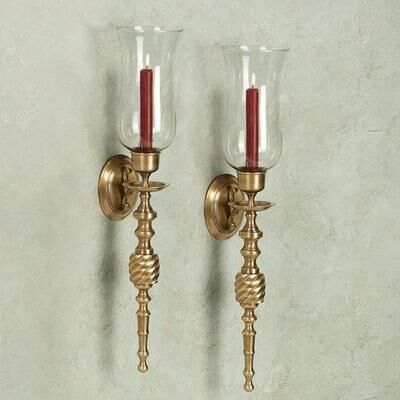
Flythe Consulting Jonetia Hurricane Wall Sconce Pair Satin Brass, Pair, Satin BrassThe Jonetia Satin Brass Hurricane Wall Sconce Pair proudly displays grandeur on your walls. These hand-forged, solid brass sconces feature a diamond design and fleur-de-lis motif. Sconces have a lacquered, satin brass finish that is done by hand. A...229,00 $*Shipping: 32,06 $Secure redirect to the provider


-
Are silicones really harmful?
Silicones are generally considered safe for use in cosmetics and personal care products. They are non-toxic, non-irritating, and non-allergenic for most people. However, some individuals may experience sensitivity or breakouts from silicones, so it is important to patch test products containing silicones before regular use. Overall, silicones are not inherently harmful and can provide benefits such as smoothing, conditioning, and protecting the skin and hair. **
-
Do silicones damage hair?
Silicones themselves do not necessarily damage hair, but they can cause build-up over time if not properly removed. This build-up can weigh hair down, making it look dull and lifeless. Some people with certain hair types may also find that silicones can make their hair feel greasy or cause scalp irritation. It is important to use clarifying shampoos or sulfate-free cleansers to effectively remove silicones from the hair. **
-
"Do Fructis products contain silicones?"
Yes, some Fructis products do contain silicones. Silicones are commonly used in hair care products to provide smoothness, shine, and heat protection. If you are looking for silicone-free options, it is important to check the ingredients list on the specific Fructis product you are interested in purchasing. **
-
What is bad about silicones?
Silicones can be considered bad for the environment because they are not biodegradable and can accumulate in the environment, potentially causing harm to wildlife. Additionally, some people may experience skin irritation or allergic reactions to silicones in personal care products. **
Do Fructis products contain silicones?
Yes, some Fructis products do contain silicones. Silicones are commonly used in hair care products like shampoos and conditioners to provide smoothness and shine to the hair. If you are looking for silicone-free options, it is best to check the ingredient list on the specific Fructis product you are interested in purchasing. **
What are two false silicones?
Two false silicones are dimethicone and cyclopentasiloxane. Dimethicone is a silicone derivative that is often used in skincare and haircare products, but it is not a true silicone. Cyclopentasiloxane is another silicone-like compound that is commonly found in cosmetics, but it is not a pure silicone. These false silicones may mimic some of the properties of true silicones, but they are not the same chemically. **
Top-Angebote
Products related to Silicones:
-
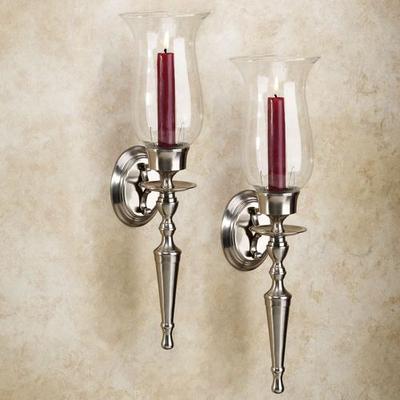
Flythe Consulting Arika Wall Sconce Pair, Pair, Satin NickelThe Arika Wall Sconce Pair is an adaptation of old-fashioned light fixtures, with an appealing design that will complement modern decor. The lacquered solid brass sconces have 4.75 dia.x7 H clear glass hurricanes that will protect your standard...179,00 $*Shipping: 22,95 $Secure redirect to the provider
-
Flythe Consulting Jonetia Hurricane Wall Sconce Pair Satin Brass, Pair, Satin BrassThe Jonetia Satin Brass Hurricane Wall Sconce Pair proudly displays grandeur on your walls. These hand-forged, solid brass sconces feature a diamond design and fleur-de-lis motif. Sconces have a lacquered, satin brass finish that is done by hand. A...229,00 $*Shipping: 32,06 $Secure redirect to the provider
-
What are silicones?
Silicones are a group of synthetic polymers made up of silicon, oxygen, carbon, and hydrogen. They are commonly used in a wide range of products, including personal care items, lubricants, sealants, and adhesives. Silicones are known for their versatility, as they can be formulated to have various properties such as flexibility, water repellency, and heat resistance. In personal care products, silicones are often used to provide a smooth, silky feel and to improve the spreadability of the product. **
-
How are silicones produced?
Silicones are produced through a chemical process called hydrolysis and polycondensation of siloxanes. Siloxanes are compounds made up of silicon, oxygen, carbon, and hydrogen atoms. These compounds are reacted with water and catalysts to form silicone polymers. The resulting silicone polymers can then be further processed and modified to create a wide range of silicone products with different properties and applications. **
-
Are silicones really harmful?
Silicones are generally considered safe for use in cosmetics and personal care products. They are non-toxic, non-irritating, and non-allergenic for most people. However, some individuals may experience sensitivity or breakouts from silicones, so it is important to patch test products containing silicones before regular use. Overall, silicones are not inherently harmful and can provide benefits such as smoothing, conditioning, and protecting the skin and hair. **
-
Do silicones damage hair?
Silicones themselves do not necessarily damage hair, but they can cause build-up over time if not properly removed. This build-up can weigh hair down, making it look dull and lifeless. Some people with certain hair types may also find that silicones can make their hair feel greasy or cause scalp irritation. It is important to use clarifying shampoos or sulfate-free cleansers to effectively remove silicones from the hair. **
Similar search terms for Silicones
-
"Do Fructis products contain silicones?"
Yes, some Fructis products do contain silicones. Silicones are commonly used in hair care products to provide smoothness, shine, and heat protection. If you are looking for silicone-free options, it is important to check the ingredients list on the specific Fructis product you are interested in purchasing. **
-
What is bad about silicones?
Silicones can be considered bad for the environment because they are not biodegradable and can accumulate in the environment, potentially causing harm to wildlife. Additionally, some people may experience skin irritation or allergic reactions to silicones in personal care products. **
-
Do Fructis products contain silicones?
Yes, some Fructis products do contain silicones. Silicones are commonly used in hair care products like shampoos and conditioners to provide smoothness and shine to the hair. If you are looking for silicone-free options, it is best to check the ingredient list on the specific Fructis product you are interested in purchasing. **
-
What are two false silicones?
Two false silicones are dimethicone and cyclopentasiloxane. Dimethicone is a silicone derivative that is often used in skincare and haircare products, but it is not a true silicone. Cyclopentasiloxane is another silicone-like compound that is commonly found in cosmetics, but it is not a pure silicone. These false silicones may mimic some of the properties of true silicones, but they are not the same chemically. **
* All prices are inclusive of VAT and, if applicable, plus shipping costs. The offer information is based on the details provided by the respective shop and is updated through automated processes. Real-time updates do not occur, so deviations can occur in individual cases. ** Note: Parts of this content were created by AI.