Buy fiduciaire.eu ?
We are moving the project
fiduciaire.eu .
Are you interested in purchasing the domain
fiduciaire.eu ?
domain@kv-gmbh.de · 0541-91531010
Buy fiduciaire.eu ?
Why is TCP slower than UDP?
TCP is slower than UDP because it is a connection-oriented protocol, meaning it establishes a connection between the sender and receiver before transmitting data. This involves a three-way handshake process, which adds overhead and latency to the communication. Additionally, TCP includes error-checking and retransmission of lost packets, which can further slow down the transmission of data. In contrast, UDP is a connectionless protocol that does not have the same level of error-checking and retransmission, making it faster but less reliable for transmitting data. **
Are incoming TCP/UDP packets being blocked?
To determine if incoming TCP/UDP packets are being blocked, you can check the firewall settings on the network or system in question. Look for any rules that may be blocking incoming traffic on specific ports or protocols. Additionally, you can use network monitoring tools to analyze incoming traffic and see if any packets are being dropped or blocked. If packets are being blocked, you may need to adjust the firewall settings to allow the desired traffic to pass through. **
Similar search terms for Udp
Top-Angebote
Products related to Udp:
-
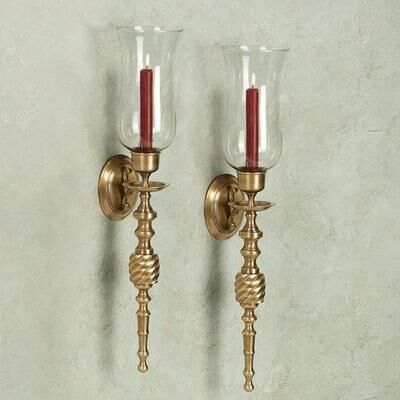
Flythe Consulting Brookville Wall Sconce Pair Antique Brass, Pair, Antique BrassThe Brookville Antique Brass Wall Sconce Pair uses simple design and a delicate aesthetic to create a truly elegant appeal. Each handcrafted, solid lacquered brass sconce has a scrolling arm, solid backplate, chain accents, and a 6 dia.x9 H etched...324,99 $*Shipping: 0,00 $Secure redirect to the provider
-
Flythe Consulting Jonetia Hurricane Wall Sconce Pair Satin Brass, Pair, Satin BrassThe Jonetia Satin Brass Hurricane Wall Sconce Pair proudly displays grandeur on your walls. These hand-forged, solid brass sconces feature a diamond design and fleur-de-lis motif. Sconces have a lacquered, satin brass finish that is done by hand. A...229,00 $*Shipping: 32,06 $Secure redirect to the provider


-
Why does DHCP use the UDP protocol?
DHCP uses the UDP protocol because it is a connectionless protocol that does not require a persistent connection between the client and the server. This makes it efficient for the dynamic allocation of IP addresses and configuration information to network devices. UDP also allows for quick communication between the client and server without the overhead of establishing and maintaining a connection, which is important for the fast and efficient allocation of IP addresses in a network environment. Additionally, UDP is well-suited for broadcasting and multicasting, which are used by DHCP to discover and communicate with servers on the network. **
-
Do TCP and UDP have the same port?
No, TCP and UDP do not have the same port. While both TCP and UDP use port numbers to identify different communication channels, they have separate sets of port numbers. TCP and UDP each have their own range of port numbers, and a port number used for TCP communication will not be the same as a port number used for UDP communication. This allows for different types of communication to be handled separately and efficiently. **
-
What is the major difference between TCP and UDP?
The major difference between TCP (Transmission Control Protocol) and UDP (User Datagram Protocol) lies in their connection-oriented versus connectionless nature. TCP is connection-oriented, meaning it establishes a connection between the sender and receiver before transmitting data, ensuring data reliability through error-checking and retransmission. On the other hand, UDP is connectionless, meaning it does not establish a connection before sending data, resulting in faster transmission but with no guarantee of data delivery or order. This fundamental distinction makes TCP more suitable for applications requiring reliable data delivery, while UDP is preferred for real-time applications where speed is prioritized over reliability. **
-
What is UDP and how does data input work?
UDP (User Datagram Protocol) is a connectionless protocol that operates at the transport layer of the OSI model. It is used for sending data over a network without establishing a connection. Data input in UDP involves the sender breaking the data into packets, adding a header with necessary information like source and destination ports, and sending it over the network. The receiver then receives the packets and reassembles them to reconstruct the original data. UDP is faster than TCP but does not guarantee delivery or order of packets. **
Why can't the Wiz outlet find the broadcast UDP?
The Wiz outlet may not be able to find the broadcast UDP due to several reasons. It could be a network issue, such as the UDP broadcast being blocked by a firewall or router settings. Additionally, there could be a problem with the Wiz outlet's network configuration or its ability to receive and process UDP broadcasts. It's also possible that there is a compatibility issue between the Wiz outlet and the device or software trying to send the broadcast UDP. Troubleshooting these potential issues and ensuring that the network and devices are properly configured can help resolve the problem. **
Is accounting and bookkeeping terribly boring?
Accounting and bookkeeping can be perceived as boring by some people, as it involves a lot of number-crunching and attention to detail. However, for those who enjoy working with numbers and finding solutions to financial challenges, accounting and bookkeeping can be quite engaging and rewarding. Additionally, the skills learned in accounting and bookkeeping are essential for understanding the financial health of a business and making informed decisions. Ultimately, whether accounting and bookkeeping are boring or not depends on individual preferences and interests. **
Top-Angebote
Products related to Udp:
-
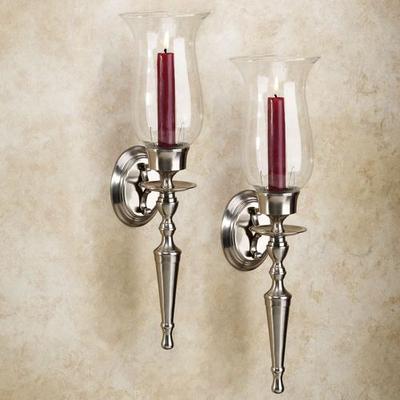
Flythe Consulting Arika Wall Sconce Pair, Pair, Satin NickelThe Arika Wall Sconce Pair is an adaptation of old-fashioned light fixtures, with an appealing design that will complement modern decor. The lacquered solid brass sconces have 4.75 dia.x7 H clear glass hurricanes that will protect your standard...179,00 $*Shipping: 22,95 $Secure redirect to the provider
-
Flythe Consulting Brookville Wall Sconce Pair Antique Brass, Pair, Antique BrassThe Brookville Antique Brass Wall Sconce Pair uses simple design and a delicate aesthetic to create a truly elegant appeal. Each handcrafted, solid lacquered brass sconce has a scrolling arm, solid backplate, chain accents, and a 6 dia.x9 H etched...324,99 $*Shipping: 0,00 $Secure redirect to the provider
-
Flythe Consulting Jonetia Hurricane Wall Sconce Pair Satin Brass, Pair, Satin BrassThe Jonetia Satin Brass Hurricane Wall Sconce Pair proudly displays grandeur on your walls. These hand-forged, solid brass sconces feature a diamond design and fleur-de-lis motif. Sconces have a lacquered, satin brass finish that is done by hand. A...229,00 $*Shipping: 32,06 $Secure redirect to the provider
-
Why is TCP slower than UDP?
TCP is slower than UDP because it is a connection-oriented protocol, meaning it establishes a connection between the sender and receiver before transmitting data. This involves a three-way handshake process, which adds overhead and latency to the communication. Additionally, TCP includes error-checking and retransmission of lost packets, which can further slow down the transmission of data. In contrast, UDP is a connectionless protocol that does not have the same level of error-checking and retransmission, making it faster but less reliable for transmitting data. **
-
Are incoming TCP/UDP packets being blocked?
To determine if incoming TCP/UDP packets are being blocked, you can check the firewall settings on the network or system in question. Look for any rules that may be blocking incoming traffic on specific ports or protocols. Additionally, you can use network monitoring tools to analyze incoming traffic and see if any packets are being dropped or blocked. If packets are being blocked, you may need to adjust the firewall settings to allow the desired traffic to pass through. **
-
Why does DHCP use the UDP protocol?
DHCP uses the UDP protocol because it is a connectionless protocol that does not require a persistent connection between the client and the server. This makes it efficient for the dynamic allocation of IP addresses and configuration information to network devices. UDP also allows for quick communication between the client and server without the overhead of establishing and maintaining a connection, which is important for the fast and efficient allocation of IP addresses in a network environment. Additionally, UDP is well-suited for broadcasting and multicasting, which are used by DHCP to discover and communicate with servers on the network. **
-
Do TCP and UDP have the same port?
No, TCP and UDP do not have the same port. While both TCP and UDP use port numbers to identify different communication channels, they have separate sets of port numbers. TCP and UDP each have their own range of port numbers, and a port number used for TCP communication will not be the same as a port number used for UDP communication. This allows for different types of communication to be handled separately and efficiently. **
Similar search terms for Udp
-
What is the major difference between TCP and UDP?
The major difference between TCP (Transmission Control Protocol) and UDP (User Datagram Protocol) lies in their connection-oriented versus connectionless nature. TCP is connection-oriented, meaning it establishes a connection between the sender and receiver before transmitting data, ensuring data reliability through error-checking and retransmission. On the other hand, UDP is connectionless, meaning it does not establish a connection before sending data, resulting in faster transmission but with no guarantee of data delivery or order. This fundamental distinction makes TCP more suitable for applications requiring reliable data delivery, while UDP is preferred for real-time applications where speed is prioritized over reliability. **
-
What is UDP and how does data input work?
UDP (User Datagram Protocol) is a connectionless protocol that operates at the transport layer of the OSI model. It is used for sending data over a network without establishing a connection. Data input in UDP involves the sender breaking the data into packets, adding a header with necessary information like source and destination ports, and sending it over the network. The receiver then receives the packets and reassembles them to reconstruct the original data. UDP is faster than TCP but does not guarantee delivery or order of packets. **
-
Why can't the Wiz outlet find the broadcast UDP?
The Wiz outlet may not be able to find the broadcast UDP due to several reasons. It could be a network issue, such as the UDP broadcast being blocked by a firewall or router settings. Additionally, there could be a problem with the Wiz outlet's network configuration or its ability to receive and process UDP broadcasts. It's also possible that there is a compatibility issue between the Wiz outlet and the device or software trying to send the broadcast UDP. Troubleshooting these potential issues and ensuring that the network and devices are properly configured can help resolve the problem. **
-
Is accounting and bookkeeping terribly boring?
Accounting and bookkeeping can be perceived as boring by some people, as it involves a lot of number-crunching and attention to detail. However, for those who enjoy working with numbers and finding solutions to financial challenges, accounting and bookkeeping can be quite engaging and rewarding. Additionally, the skills learned in accounting and bookkeeping are essential for understanding the financial health of a business and making informed decisions. Ultimately, whether accounting and bookkeeping are boring or not depends on individual preferences and interests. **
* All prices are inclusive of VAT and, if applicable, plus shipping costs. The offer information is based on the details provided by the respective shop and is updated through automated processes. Real-time updates do not occur, so deviations can occur in individual cases. ** Note: Parts of this content were created by AI.